Trading Psychology: How Not to Blow Your Account. 5 Rules for Emotional Control

Sooner or later, every beginner trader asks the same question: with thousands of strategies and indicators out there, why do 95% of market participants still lose money? Why do some people stay profitable over time, while others blow account after account?
The answer isn’t in “secret algorithms.” The foundation of long-term success is trading psychology and strict risk management. In this article, we’ll break down 5 key factors that separate a pro from an amateur, share practical ways to beat fear in trading, and show you where it’s best to start.
1. Slow Down: The Danger of Overtrading
One of the biggest reasons traders lose capital fast is simple: rushing. The desire to “scale a deposit” quickly, win losses back, or get rich “right now” leads to overtrading — taking extra trades without a real setup.
Common signs:
- You trade every day even when the market is flat.
- You increase position size to “speed up” profits.
- You feel FOMO (fear of missing out) when price moves without you.
Professionals know trading is a marathon, not a sprint. Shift your focus from today’s result to the full-year game. Build the skill of waiting. It’s better to take 3 high-quality trades a month than 50 chaotic ones.
2. Environment and Mentorship: Don’t Trade in a Vacuum
Trading psychology is hard. When you’re alone with a chart, doubts and fear get louder. For a beginner, it’s critical to watch how experienced traders stay calm and consistent in real time.
Following experienced traders helps you pick up the right thinking patterns much faster. One strong example is Konstantin Gromov.
On his Telegram channel, he doesn’t just post signals — he explains the logic behind entries. Subscribe to Konstantin Gromov’s channel to see how emotional control works in real trading.
3. Accept Risk: How to Choose a Comfortable Platform
Fear of losing money often causes “trading paralysis.” You see a setup but can’t press the button. To reduce stress, two things matter: accepting losses as part of the business, and using a platform that doesn’t overload you.
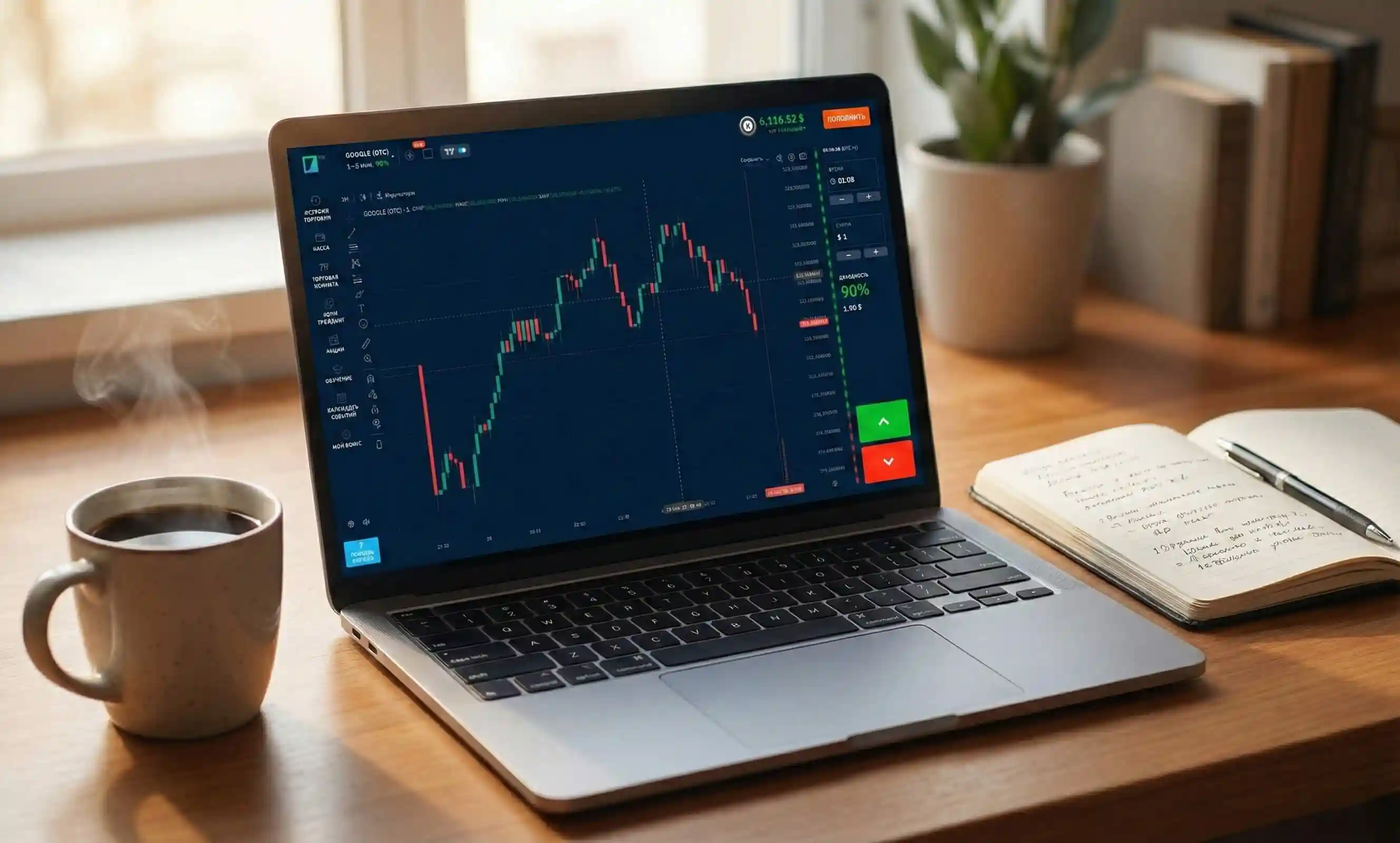
Many traders start on Binarium. Why is it good from a psychology standpoint? The interface is intuitive and doesn’t overload your brain, and fast execution removes extra nerves.
4. Strategy Fit: Stop Chasing the Holy Grail
Online, people search for “no-loss strategies,” but beginners repeat the same mistake: once a losing streak hits, they change everything. They jump from scalping to swing trading, switch timeframes, and rebuild rules. The result is pure chaos.
Here’s the key: profitable traders adapt the market to their personality. If you’re calm, a slower approach may suit you. If you need pace, study scalping. Pick one simple model and refine it.
5. Trust Is Built on Numbers: Your Trading Journal
Why can an experienced trader enter without shaky hands? Because they trust their stats. Uncertainty grows where there’s no tracking. If you don’t keep a trading journal, you don’t know your strengths or weak spots.
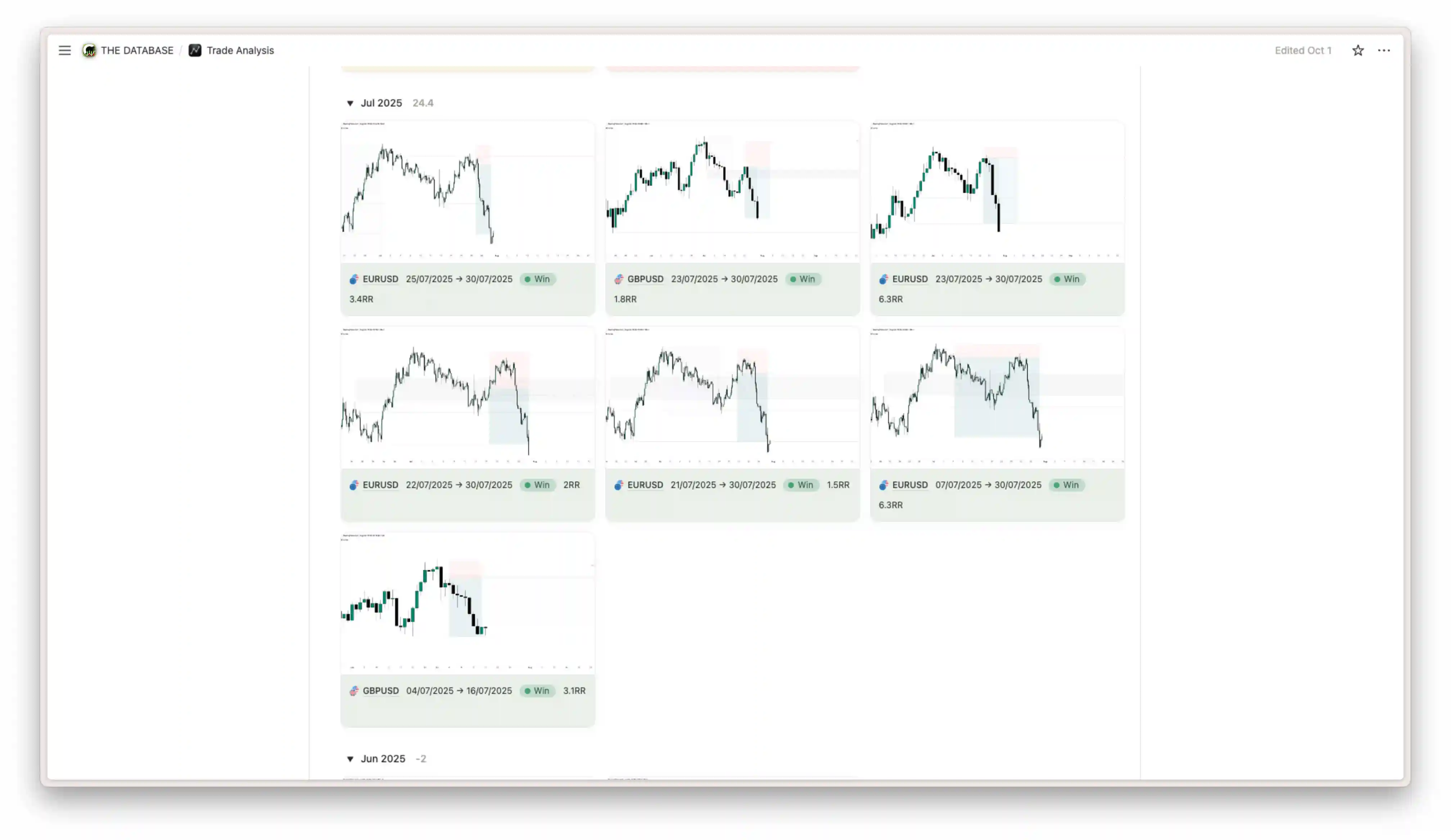
What to log:
- Your entry reason.
- Your emotional state (fear, confidence, greed).
- Your mistakes (e.g., “closed too early,” “broke my rules”).
Confidence doesn’t come from hope — it comes from knowing: “My strategy has proven profitable over a meaningful sample.”
Conclusion: Your Action Plan
Trading has massive potential, but there’s no “easy money” button. To get into the 5% who stay profitable, start acting systematically today.

- Learn from practitioners: follow trade breakdowns in Konstantin Gromov’s channel.
- Pick a reliable platform: register on Binarium.
- Build a buffer: activate promo code TREND for a +100% bonus.
- Keep a journal: log every trade.
Remember: the market punishes lack of discipline — and rewards patience and consistency.
Ready to stay in control?
Use promo code TREND to get a deposit bonus on Binarium.