Stock Exchange Intermediary (Broker): A Complete Guide from a Practicing Trader

When I started trading, one of my first questions was: “Why can’t I just go to an exchange and buy shares directly?” The answer is simple: between you and the market there’s almost always an intermediary — a broker. And the way you choose that broker affects your costs, execution quality, and sometimes even the safety of your capital.
Over the years I tested multiple platforms, learned the hard way what “good conditions” actually mean, and built my own checklist for selecting a reliable intermediary. Below — everything you need to know, with no marketing fluff.
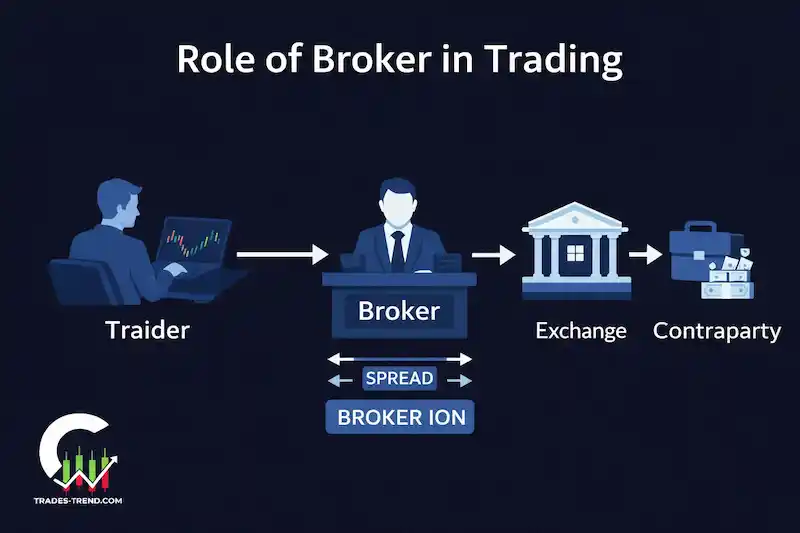
Who Is a Stock Exchange Intermediary — and Why You Can’t Avoid One
A stock exchange intermediary (broker) is a licensed organization that provides retail clients access to trading on stock, FX, or derivatives markets. In most countries an individual cannot place trades on an exchange directly — regulation and exchange rules require a professional market participant in between.
Think of an exchange as a professional venue with strict admission rules. A broker is your “gateway” that connects you to that venue via infrastructure, reporting, custody, and compliance.
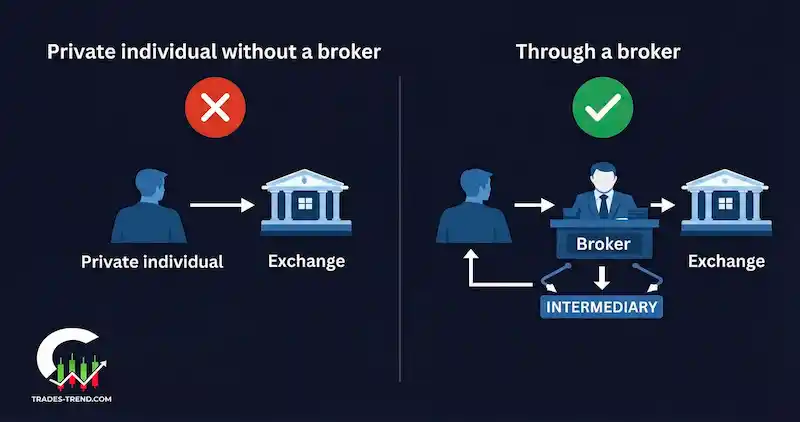
Why You Can’t Trade Without an Intermediary
Exchanges process huge order flow, operate on complex protocols, and require professional risk controls. Regulators usually mandate that private investors access markets through licensed firms — to protect clients and keep the market stable.
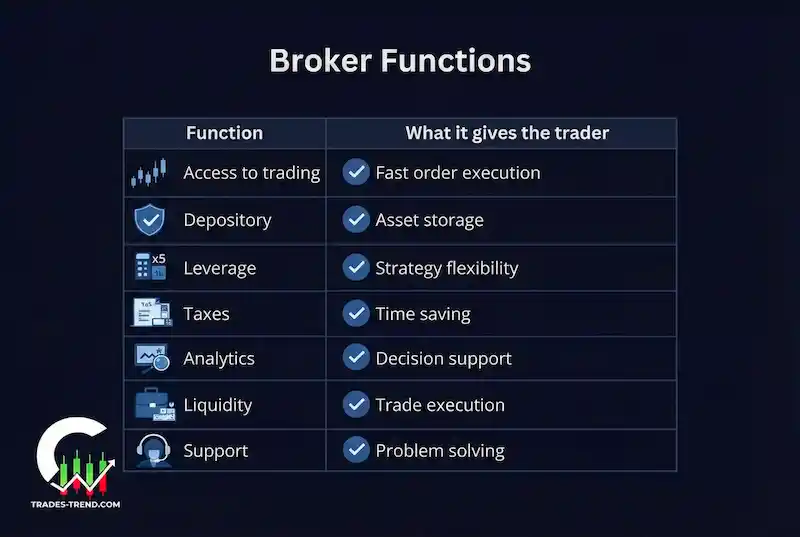
What a Broker Does: 7 Core Functions
A broker is not just a “Buy/Sell button.” Most of the work is invisible — and that’s precisely what you pay for:
1) Trading access & infrastructure
You place orders via a terminal/web app, while the broker checks your balance, routes the order, handles confirmations, and returns execution results in milliseconds.
2) Custody and record-keeping
Securities are stored electronically. The broker works with custodians/depositories and ensures your holdings are recorded correctly.
3) Margin lending
Many brokers provide leverage. It can help strategy execution — but it also amplifies risk. If you want a solid foundation, start with risk rules (I covered it in risk management).
4) Reporting and (sometimes) tax support
In some jurisdictions a broker may act as a tax agent; in others they provide statements you use for reporting. Either way, transparent reporting is a must.
5) Market data and analytics
Quotes, news, calendars, company reports — all the information layer that helps you make decisions.
6) Liquidity services
Large firms may provide liquidity and better execution. For active trading, this directly impacts slippage and fills.
7) Client support
Platform issues, documents, withdrawals — quality support matters more than you think, especially during volatility.
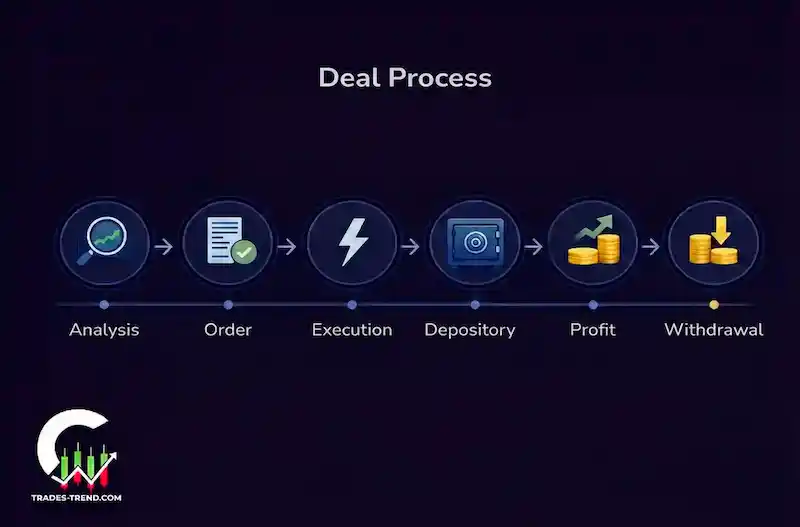
How a Broker Works: What Happens When You Click “Buy”
Here’s a simplified flow when you buy, say, Apple stock:
1You place an order in the app/web terminal
2The broker checks funds and limits
3Order routing to the exchange via secure channels
4Matching with a seller at your price
5Execution and cash debit
6Settlement and custody records updated
7Trade report is generated for you
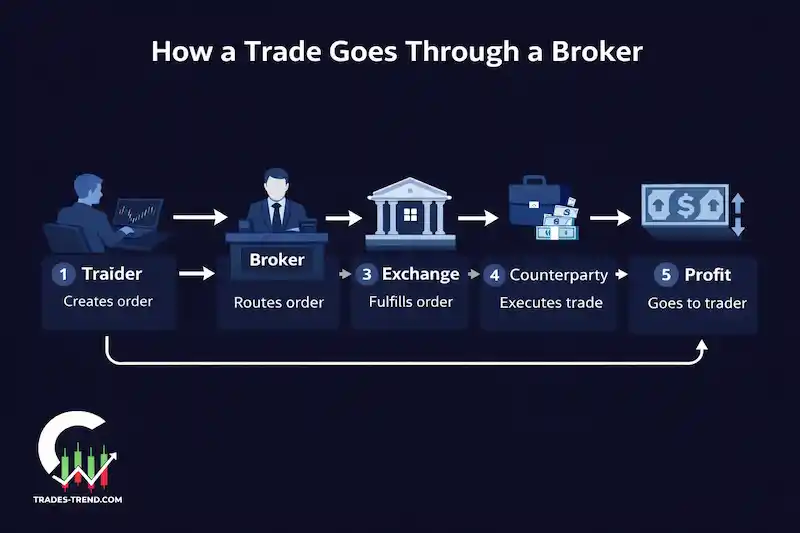
The whole cycle takes milliseconds — but it’s built on heavy infrastructure and strict rules.
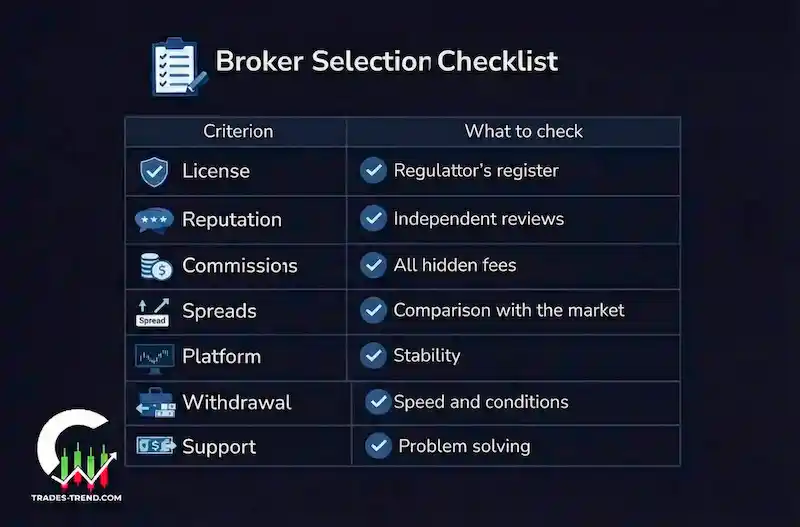
How to Choose a Reliable Broker: My 12-Point Checklist
Choosing a broker isn’t a formality. It’s about fees, execution, stability, and how calmly you can follow your plan. Here’s the checklist I use now:
1) License and regulation
Always verify the license with the official regulator registry. No license = no broker — you’re dealing with a counterparty that can “make its own rules.”
2) Reputation and operating history
Read independent reviews, check how long the company has been operating, and whether there are unresolved scandals.
3) Fees and hidden costs
Look beyond “commission per trade.” Consider custody fees, withdrawal fees, inactivity fees, spreads, and margin interest. “Zero commission” often means you pay elsewhere.
4) Markets and instruments
Make sure the broker offers what you actually trade: local equities, US stocks, FX, futures/options, crypto instruments, etc. Match it to your strategy.
5) Platform quality
Test the app before funding: chart speed, stability during volatility, order entry UX, mobile reliability.
6) Minimum deposit
A low entry threshold helps beginners start with a comfortable amount and scale up responsibly.
7) Execution speed
For intraday trading, a few seconds of delay can turn a good entry into a bad one.
8) Slippage
Slippage is the difference between the intended price and the fill price. Too much slippage can kill profitable systems.
9) Funding and withdrawals
Multiple funding methods, clear limits, fast withdrawals, and transparent fees are non-negotiable. “5–14 business days” without explanation is a red flag.
10) Support quality
Ask support a simple question outside business hours. Response speed and clarity tell you a lot.
11) Education and research
Demos, webinars, and structured learning help especially if you’re just starting. If you’re exploring trading basics, see also this beginner guide.
12) Additional tools
Copy trading, alerts, analytics dashboards, or live signals can be useful — if they don’t distract you from risk rules.
Broker vs Dealer: A Crucial Difference
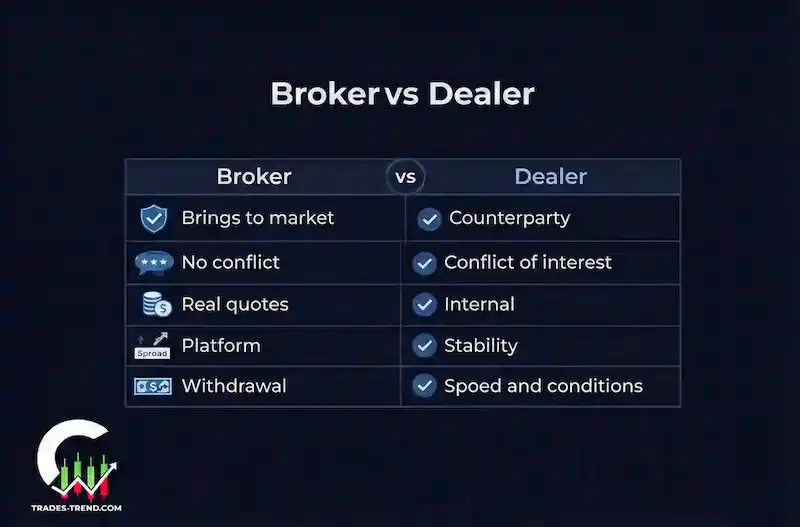
A broker routes your order to the market, where it’s matched with another participant. A dealer can act as your counterparty — which may create a conflict of interest because your profit can be their loss.
Risks of Trading Through a Broker: What Ads Don’t Tell You
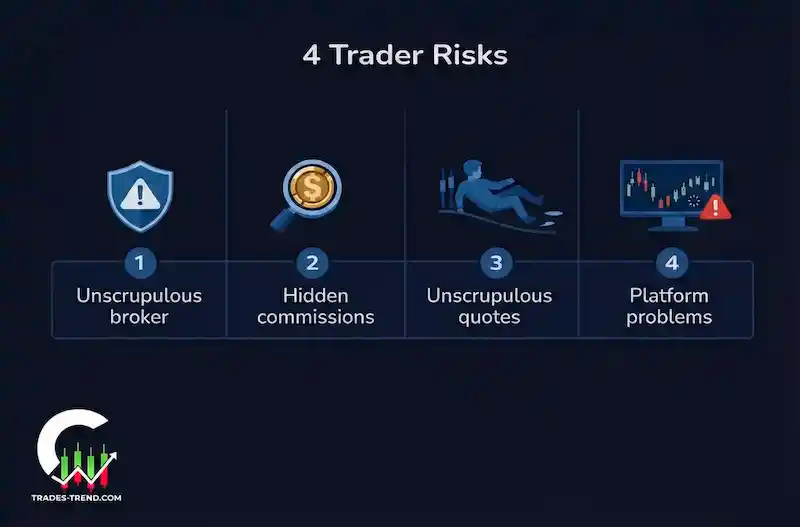
Even a reputable intermediary doesn’t remove all risk. Be aware of:
Systemic risk
Broker insolvency can freeze funds. Check compensation schemes or investor protection rules in your jurisdiction.
Technical risk
Outages during news spikes happen. Plan for it — and keep your psychology under control (I discuss that in trading psychology).
Operational risk
Delays, reconciliation errors, withdrawal issues — rare, but extremely stressful. That’s why support and transparency matter.
Regulatory risk
Rule changes and taxes can affect available instruments and costs.
Intermediary on a Crypto Exchange: What’s Different
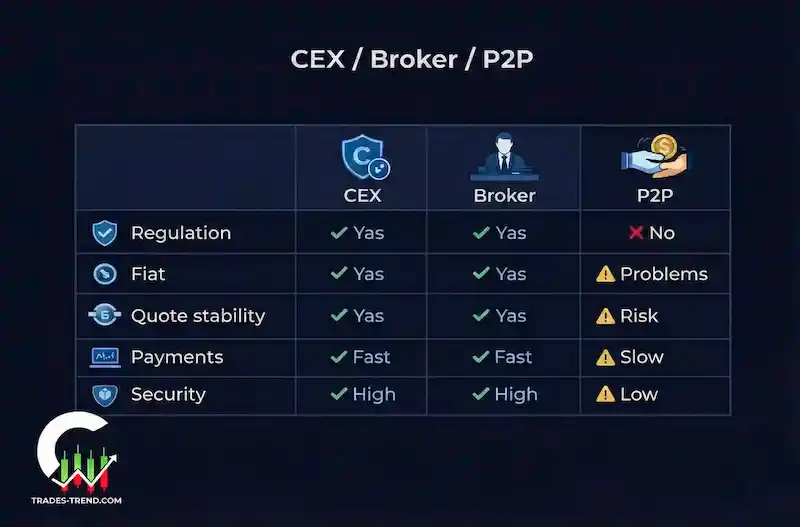
In crypto, the “intermediary” can be a centralized exchange, a broker offering crypto instruments, or a P2P platform. The key difference is typically lower regulation, higher volatility, and more scam risk — so reputation and security practices matter even more.
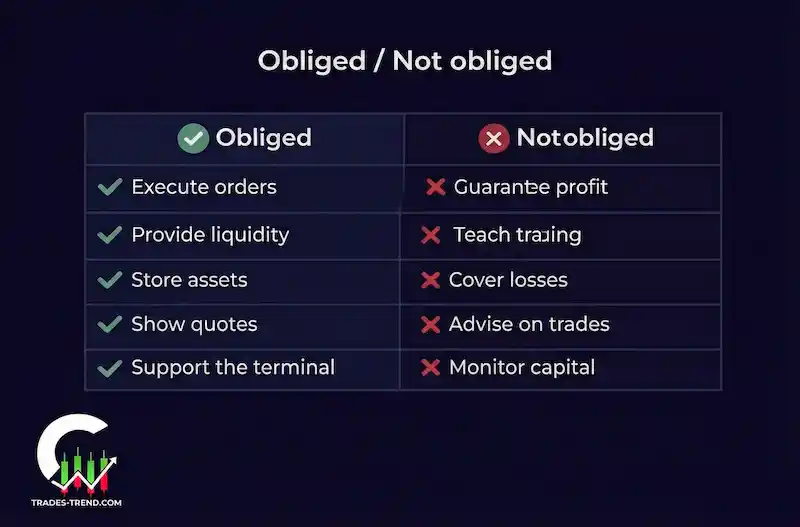
What a Broker Must Do (and What They Don’t Owe You)
A broker must: execute client instructions accurately, provide statements, disclose tariff changes, protect client assets, and act in the client’s best interest within regulations.
A broker is not required to: guarantee profits, compensate losses from bad trades, or provide investment advice without a proper license.
How Trades Are Executed Through a Broker: Step by Step
1Registration & verification — identity checks
2Account opening — agreement and brokerage account creation
3Funding — deposit via supported methods
4Platform setup — web/app/terminal
5Demo practice — learn the interface and rules
6Order placement — instrument, size, price
7Execution — routed and filled
8Position close — realize P&L
9Reporting — statements and confirmations
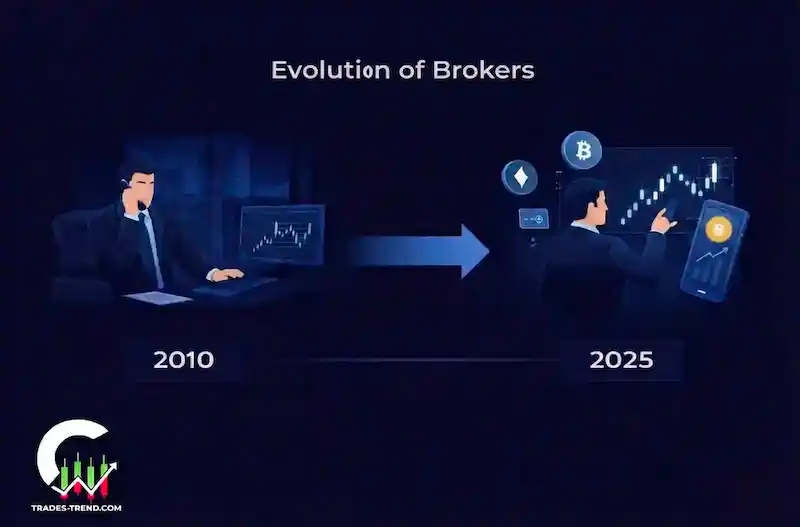
The Modern Role of Intermediaries on the Stock Market
Lower fees: competition has pushed costs down.
Faster onboarding: in many cases you can open an account from your phone in minutes.
More services: analytics, automation, social features, alerts.
Global access: one broker can connect you to markets across multiple countries.
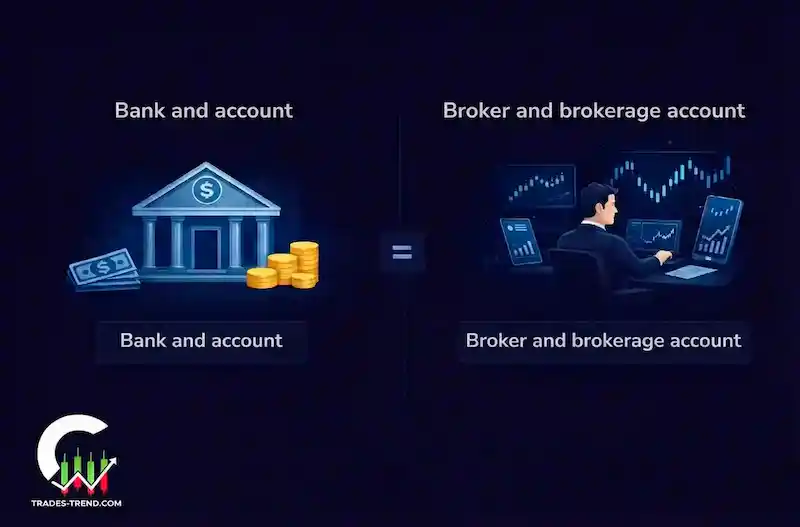
Broker and Brokerage Account: Simple Explanation
Broker = the company that gives you market access.
Brokerage account = your account with that broker where cash and assets are recorded.
From Classic Exchanges to Modern Alternatives
Once you understand how intermediaries work, you can choose the format that fits your style. One of the alternatives many traders explore is binary options: you don’t buy the underlying asset — you predict direction for a fixed time window.
Why Binary Options Can Be Practical Right Now
Simple entry: choose direction and expiry — nothing extra.
Fixed risk: your maximum loss is known upfront (the stake amount).
Fast feedback: expiries can be from minutes to hours.
Low barrier to start: you can begin with a smaller deposit than traditional stock investing.
Binarium: An Intermediary of a New Format
If you trade binary options, choosing a reliable platform is just as important. I’ve tested Binarium and here’s what stands out for beginners:
Fast funding and withdrawals: when the market is moving, speed matters.
Clear interface: chart, Higher/Lower buttons, timer — simple and focused.
Demo account: practice strategies without risking money (including elements of algorithmic thinking).
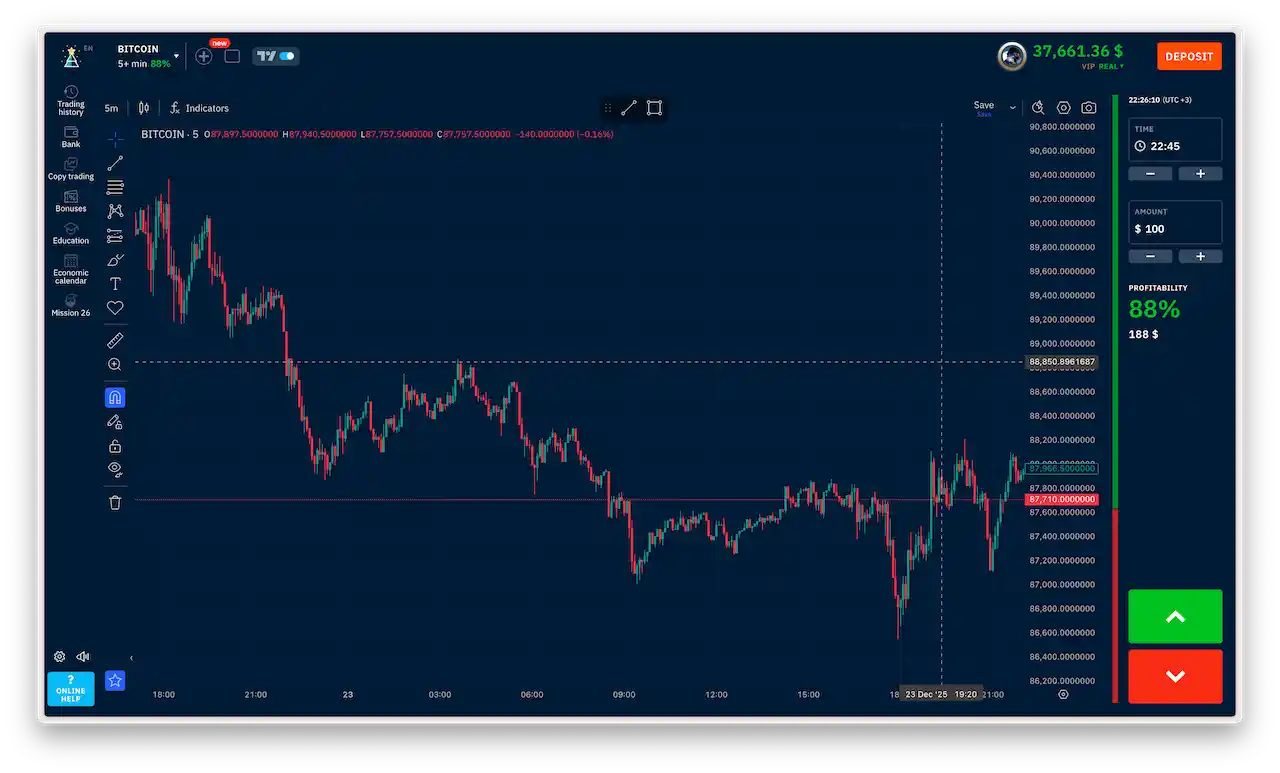
Signals: you can follow live sessions and see how decisions are made in real time.
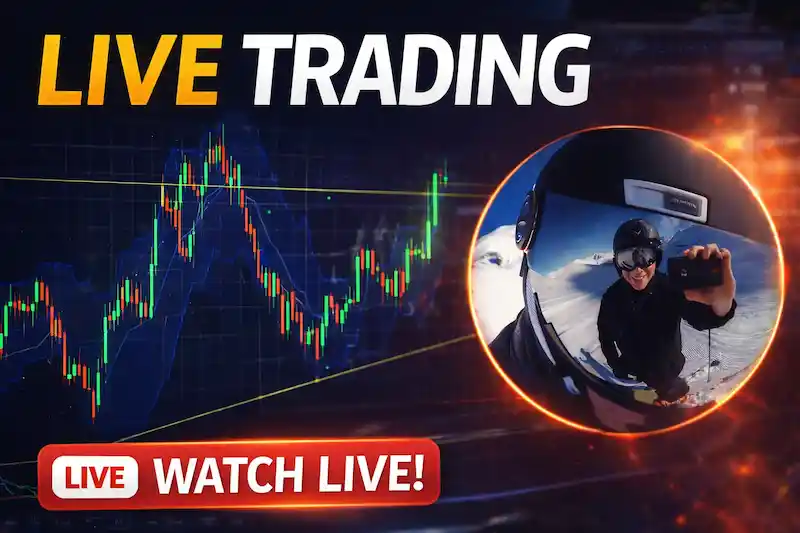
Recording of a live trading session: Watch on YouTube
Promo Code to Start
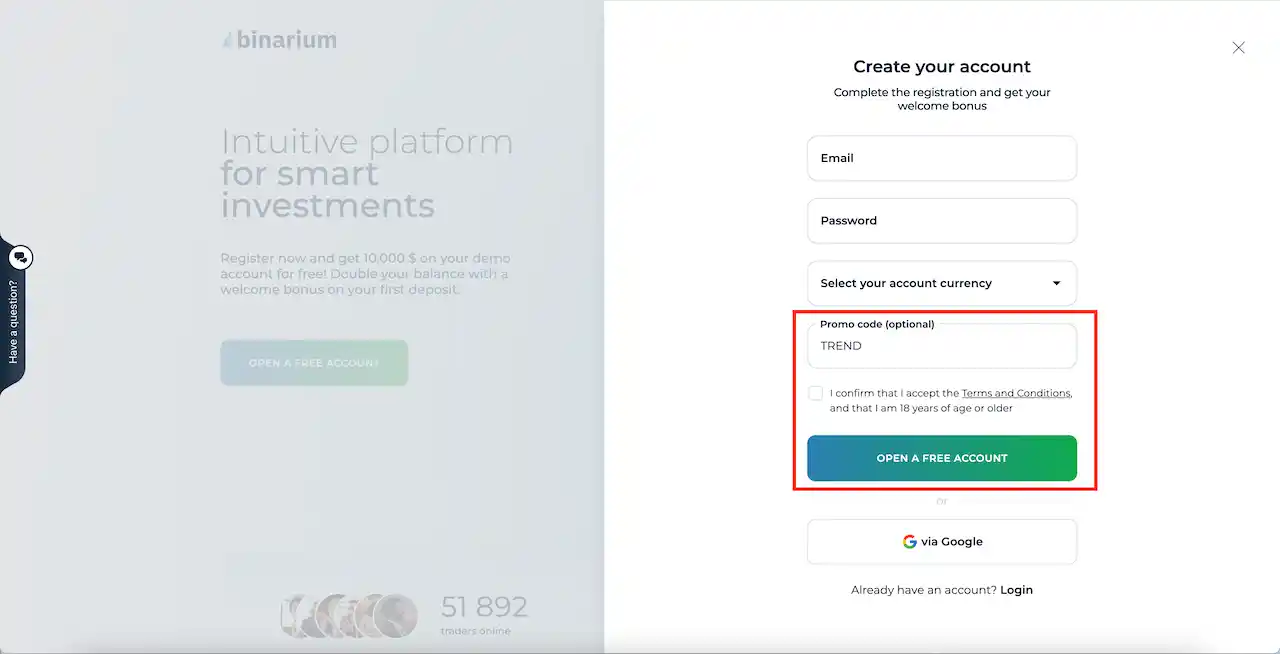
Binarium runs a promo: register with code TREND and you get +100% on your first deposit. Deposit $100 — trade with $200. For beginners, this creates a bigger safety buffer while you learn.
Conclusion: Your Intermediary Sets the Foundation
A broker intermediary is not just a technical necessity — it’s the foundation of your trading workflow: execution quality, fees, reliability, and peace of mind.
Whether you choose a classic broker for exchange trading or Binarium for options (don’t forget promo code TREND), the rule stays the same: pick a platform you can trust — then focus on your system and risk.
Ready to put this into practice?
Fund your Binarium account and use promo code TREND to get a +100% bonus and test your strategy with a bigger cushion.