Types of Cryptocurrencies

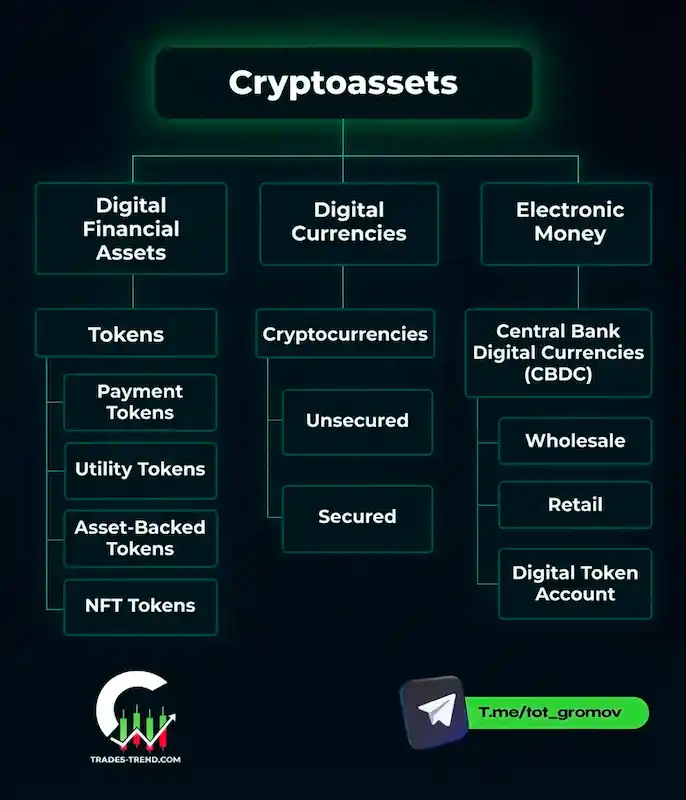
When someone first meets the crypto market, the phrase “types of cryptocurrencies” can sound abstract. In reality, it becomes clear fast—once you understand the basic classification.
In this article, we’ll break down the main crypto categories, how they differ, which ones people more often choose for investing versus active trading, and what risks matter before your first trade.
Main types of cryptocurrencies: classification and key features
In short, cryptocurrencies are usually grouped into a few buckets:
- “classic” coins (Bitcoin and major large-cap assets);
- altcoins;
- stablecoins;
- DeFi tokens;
- memecoins;
- privacy (anonymous) coins.
This is the basic classification you’ll see most often in beginner materials.
Cryptocurrencies besides Bitcoin: altcoins explained simply
Bitcoin is the first and the most well-known crypto. If you’re wondering what exists besides Bitcoin, the answer is simple: almost everything else on the market is an altcoin.
Altcoins in plain English
Altcoins are any cryptocurrencies other than BTC. They include:
- large platforms (for example, smart-contract networks);
- coins focused on speed and fees;
- projects with a narrow focus (gaming, infrastructure, and more).
Most altcoins are:
- more volatile than BTC;
- more sensitive to news and market sentiment;
- used for trading—and sometimes as a high-risk slice of an investment portfolio.
If you’re just getting started and want the basics first, check my guide on who created Bitcoin and how to use it safely. I explain wallets, buying, and common risks in simple terms.
What are stablecoins?
Stablecoins are cryptocurrencies whose price is pegged to an underlying asset:
- most often to the US dollar (1 stablecoin ≈ 1 USD);
- sometimes to gold or a basket of assets.
Types of stablecoins:
- Fiat-backed. Issued by a company that holds reserves like dollars and/or bonds.
- Crypto-backed. Collateralized by other cryptocurrencies, often with overcollateralization (the collateral value exceeds the stablecoin amount).
- Algorithmic. The peg is maintained via algorithms and market mechanisms—the riskiest option.
Stablecoins are handy for:
- “parking” capital inside the crypto ecosystem;
- transfers;
- using as a base currency if you trade actively.
DeFi cryptocurrencies, memecoins, and privacy coins
DeFi in crypto: a simple explanation
DeFi tokens are tokens of decentralized finance projects, such as:
- decentralized exchanges;
- lending protocols;
- yield aggregators, and more.
This is a more advanced asset class. People more often use it for trading and speculation than as a calm “buy-and-hold for 10 years” investment.
Memecoins
Memecoins are coins built around a joke, a meme, or hype. They often have:
- little fundamental value;
- a price driven by attention and community momentum;
- an especially high risk of sharp drawdowns.
Memecoins are a classic example of the “maximum risk” corner of crypto. It’s not the category to start with.
Privacy cryptocurrencies
Privacy coins are projects focused on transaction confidentiality, for example:
- hiding amounts and sender/receiver data;
- protecting transfer history.
They’re interesting technologically, but they also attract close regulatory attention.
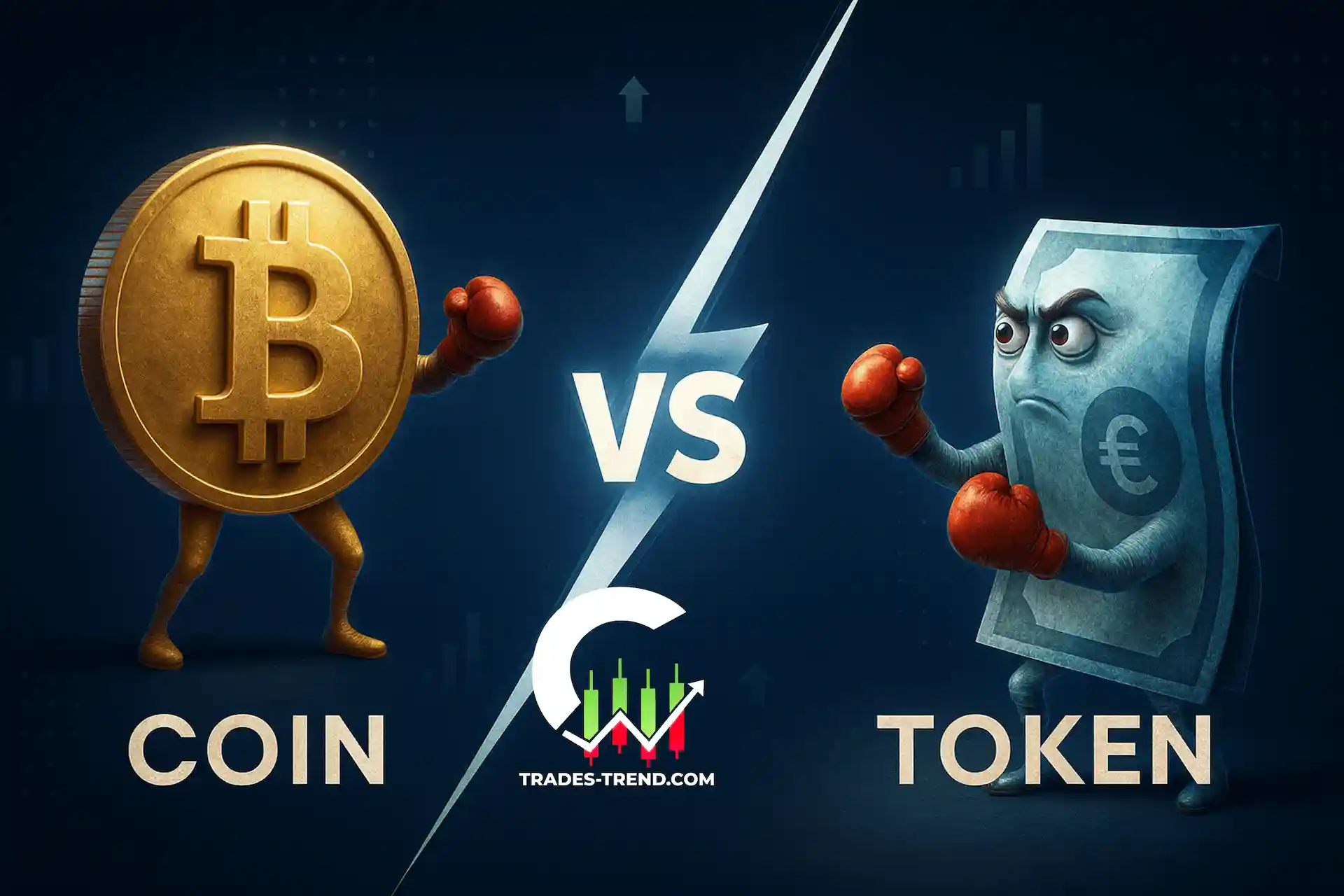
Token vs coin: what’s the difference?
Coins and tokens are not the same thing:
- Coin is the native asset of a blockchain (Bitcoin, a network’s base coin, etc.). It’s typically used for fees, network security, and sometimes payments.
- Token is issued on top of an existing blockchain (for example, tokens on smart-contract platforms). It can grant access to a service, represent utility, governance rights, and more.
Understanding this difference helps you see how crypto assets really differ: not every token is “money”—many have other functions.
Crypto for investing vs trading: what to consider
Not every asset fits every goal. Roughly, you can split them into:
- crypto for investing (larger, more liquid assets with a longer track record and a clearer role);
- crypto for trading (more volatile, “faster”, and more sensitive to news and sentiment).
When choosing, pay attention to:
- market cap and liquidity;
- project risks and the regulatory backdrop;
- your strategy and time horizon.
Crypto risks
Key risks in crypto:
- sharp volatility (moves of tens of percent are common);
- technical risks (bugs, hacks, bridge/protocol issues);
- exchange and counterparty risk;
- regulatory pressure.
A simple takeaway: whichever crypto category you choose, it should fit your capital management rules. If you want to go deeper, here’s a practical guide on risk management and money management 2.0 for traders.
Once you understand crypto categories (BTC, altcoins, stablecoins, DeFi, memecoins), the next step is learning how to choose an asset for your goal—investing or trading— and where beginners most often slip up (volatility, liquidity, news).
On my Telegram, I regularly break down market situations in plain language: what’s happening with BTC and alts, why a stablecoin can wobble, where DeFi risk hides, and how to avoid emotional decisions. Subscribe: Free access
Which cryptocurrencies will grow (and why there’s no guarantee)
Queries like “which cryptocurrencies will grow” are everywhere. It’s important to be honest here:
- there’s no tool that can guarantee growth;
- “promising coins” are scenarios and hypotheses, not promises;
- growth depends on adoption, demand, regulation, and the broader market cycle.
A more reasonable approach is not to hunt for “the one winner”, but to build diversification and calmly assess what each class is good for: some assets are better suited for long-term holding, others for active trading, and some remain high-risk experiments.

Why do I write articles like this?
I write these overviews not for hype, but to help beginners navigate the topic without feeling lost. In my blog articles you’ll find materials that:
- help you enter trading and crypto without chaos;
- broaden your perspective as a new trader or investor;
- connect theory with real-market practice and risk management;
- show how different crypto categories fit real approaches—rather than “guessing games”.
If you’re choosing a direction right now, you may find this helpful: how to choose a market to start trading from zero.
Short-term formats and crypto: how it works in practice
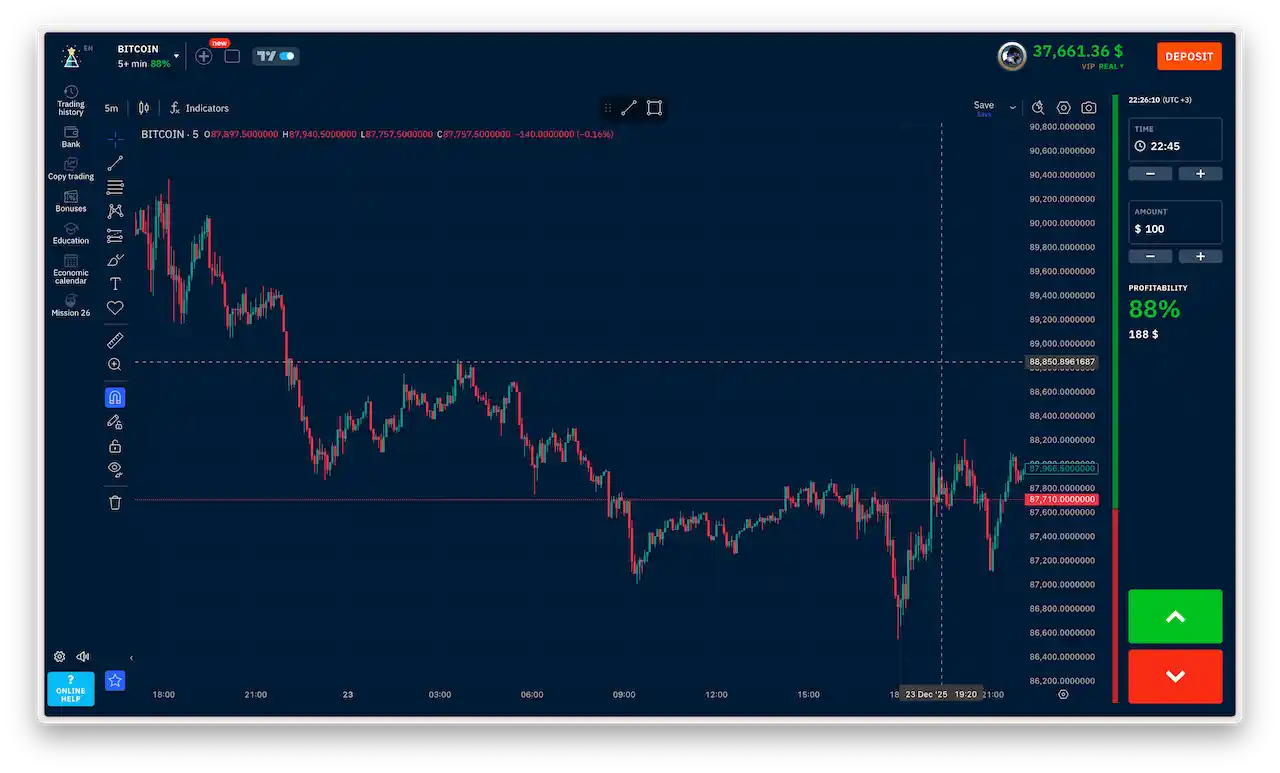
Understanding what kinds of cryptocurrencies exist is useful not only for investors but also for anyone looking at shorter timeframes. Large, liquid assets are often used in setups where the key decision is direction over a defined period.
A common example is time-boxed trading products (including high-risk derivative formats). The logic is still the same: you analyze the market, estimate the probability of a move up or down, and manage risk strictly.
Important note: real-money trading is for adults only in many jurisdictions, and it can lead to losses. Start with education, use demo/paper trading where possible, and make risk management your default.
Bottom line
“Types of cryptocurrencies” is not just a long list of coins—it’s a structure: from Bitcoin and altcoins to stablecoins, DeFi tokens, memecoins, and privacy coins. Understanding the categories helps you:
- make more informed investment decisions;
- pick trading instruments that match your risk profile;
- stay skeptical about forecasts and “guaranteed growth”.
And if you also trade on shorter timeframes, this classification becomes a base for a more structured approach—one part of a system, not a replacement for it.
Ready to apply this in practice?
Fund your Binarium account and use promo code TREND to get a +100% bonus and test your strategy in the real market.